Services
Amino Acid Therapy
A patient guide to restoring brain chemistry naturally—offered in Kailua, Hawaii.
Welcome to Nutritional & Functional Psychiatry
If you are struggling with persistent depression, anxiety, brain fog, fatigue, sleep disturbances, or intense cravings, it can often feel like a personal struggle or a failure of willpower. However, modern functional psychiatry recognizes that many emotional and cognitive symptoms stem from underlying biochemical depletion—what clinicians often describe as a “starving brain.”
While traditional psychiatric care often relies solely on prescription medications to manage symptoms, Amino Acid Therapy focuses on providing your brain with the exact biological building blocks it needs to produce its own natural mood-regulating chemicals.
We offer Amino Acid Therapy as part of a comprehensive, integrative approach to mental health. Amino acid supplementation is not a “magic bullet,” but when combined with balanced nutrition, blood sugar stabilization, and personalized clinical care, it offers a gentle, rapid, and deeply empowering pathway toward emotional stability, mental clarity, and resilience.
Work with Anna Holt Grills, dual board certified Nurse Practitioner, who is trained and mentored by Christina Veselak MS, LMFT, CN, Founder and Director of the Academy for Addiction and Mental Health Nutrition. Christina Veselak was trained directly by Julia Ross, pioneer of the use of amino acid therapy in mental health and addiction settings, and has been a leader in the field of mental health nutrition since 1993.
What Are Amino Acids and How Do They Work?
The Building Blocks of Body and Mind
Amino acids are organic molecules best known as the fundamental building blocks of protein. When you consume protein-rich foods—such as poultry, fish, eggs, dairy, legumes, nuts, and seeds—your digestive system breaks those proteins down into individual amino acids. Once absorbed into the bloodstream, specific amino acids travel throughout the body to repair tissues, build enzymes, and perform vital cellular functions.
Crossing the Blood-Brain Barrier to Form Neurotransmitters
Certain amino acids possess the unique ability to cross the blood-brain barrier. Once inside the brain, these amino acids serve as direct precursors (raw materials) that your nerve cells convert into neurotransmitters—the specialized chemical messengers that govern your feelings, thoughts, sleep, energy, and stress responses.
For this chemical conversion to take place efficiently, your brain also relies on essential vitamin and mineral co-factors, such as Vitamin C, B-complex vitamins (especially B3 and B6), magnesium, zinc, and healthy omega-3 fatty acids.
When free-form (individual) amino acids are taken as targeted supplements on an empty stomach, they bypass complex digestive processes and enter the brain rapidly. Research and clinical observations show that free-form amino acids can begin synthesizing new neurotransmitters in as little as 1 to 20 minutes.
The Four Key Neurotransmitter Systems Supported by Amino Acids
Your brain relies on four primary mood-mediating neurotransmitter networks. When these chemical stores become depleted due to prolonged stress, poor nutrition, illness, or trauma, specific emotional and physical symptoms arise. Targeted amino acids help restore each system.
1. Serotonin & Melatonin: The “Positive Outlook & Sleep” Network
What It Does: Serotonin mediates emotional flexibility, self-confidence, a positive outlook, stress tolerance, and calm. At night, the brain converts serotonin into melatonin, the hormone responsible for deep, restful sleep.
Signs of Depletion: Low self-esteem, negativity, worry, anxiety, panic attacks, obsessive or controlling thoughts, irritability, winter depression (SAD), night-owl tendencies, insomnia, and afternoon or evening sugar/carbohydrate cravings.
Amino Acid Precursors: L-Tryptophan and 5-HTP (5-Hydroxytryptophan) serve as the direct precursors to serotonin and melatonin.
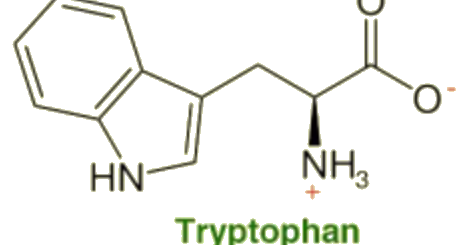
L-Tryptophan → 5-HTP (5-Hydroxytryptophan)
Required Co-factors
- Ferrous Iron (Fe²⁺)
- BH₄ (Tetrahydrobiopterin)
- Vitamin C & Niacin (B3)
Clinical Impact & Benefits
- Crosses blood-brain barrier rapidly
- Direct precursor to brain serotonin
- Bypasses protein competition
5-HTP → Serotonin (5-HT)
Required Co-factors
- Active Vitamin B6 (P5P)
- Zinc
- Magnesium
Clinical Impact & Benefits
- Restores positive outlook & calm
- Relieves worry, anxiety & SAD
- Eliminates late-afternoon carb cravings
Serotonin → Melatonin
Required Co-factors
- SAMe (S-Adenosylmethionine)
- Vitamin B12 & Active Folate
- Methionine
Clinical Impact & Benefits
- Regulates sleep-wake circadian cycles
- Promotes deep, restorative sleep
- Eliminates night-owl tendencies
2. The Catecholamines (Dopamine & Norepinephrine): The “Energy, Drive & Focus” Network
What It Does: Dopamine and norepinephrine spark motivation, mental alertness, sharp focus, physical energy, persistence, and the ability to feel rewarded by enjoyable activities.
Signs of Depletion: Apathetic depression, chronic fatigue, brain fog, lack of motivation, boredom, difficulty concentrating (ADD/ADHD symptoms), and reliance on caffeine, chocolate, or stimulants to get through the day.
Amino Acid Precursors: L-Tyrosine and L-Phenylalanine are converted step-by-step into L-DOPA, dopamine, norepinephrine, and epinephrine.
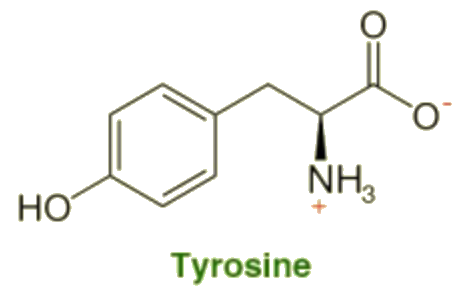
L-Phenylalanine / L-Tyrosine → L-DOPA
Required Co-factors
- BH₄ (Tetrahydrobiopterin)
- Ferrous Iron (Fe²⁺)
- Copper & Vitamin C
Clinical Impact & Benefits
- Key initial conversion step
- Spark for brain energy & focus
- Rebuilds catecholamine stores
L-DOPA → Dopamine
Required Co-factors
- Active Vitamin B6 (P5P)
- Zinc
- Magnesium
Clinical Impact & Benefits
- Restores mental focus & clarity
- Re-activates reward & drive pathways
- Reduces reliance on stimulants
Dopamine → Norepinephrine
Required Co-factors
- Vitamin C (Ascorbic Acid)
- Copper (Cu²⁺)
- Molecular Oxygen (O₂)
Clinical Impact & Benefits
- Supports physical stamina & focus
- Enhances mental alertness
- Lifts brain fog and apathy
Norepinephrine → Epinephrine (Adrenaline)
Required Co-factors
- SAMe (S-Adenosylmethionine)
- Vitamin B12 & Active Folate
- Niacin (Vitamin B3)
Clinical Impact & Benefits
- Regulates autonomic balance
- Enhances stress resilience
- Prevents burnout & fatigue
3. GABA (Gamma-Aminobutyric Acid): The “Calm & Relaxation” Network
What It Does: GABA is your brain’s primary inhibitory (calming) neurotransmitter. It acts as a natural brake system, soothing overactive nerve firing, relaxing tense muscles, and protecting against stress burnout.
Signs of Depletion: Muscle tension, physical restlessness, feeling constantly overwhelmed, an inability to relax or unwind, and turning to alcohol, food, or sedatives for stress relief.
Amino Acid Precursors/Supports: GABA, L-Theanine (from green tea), and Taurine help promote immediate physical and mental relaxation.
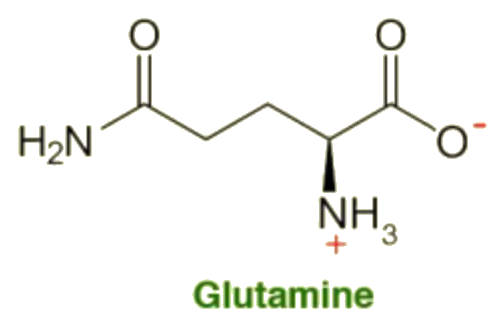
L-Glutamine → L-Glutamate
Required Co-factors
- Niacin (Vitamin B3)
- Magnesium
- Manganese
Clinical Impact & Benefits
- Direct cellular fuel for brain tissue
- Stabilizes blood sugar fluctuations
- Prevents shakiness & sugar cravings
L-Glutamate → GABA (Gamma-Aminobutyric Acid)
Required Co-factors
- Active Vitamin B6 (P5P)
- Zinc
- Magnesium
Clinical Impact & Benefits
- Primary calming neurotransmitter
- Soothes overactive nerve firing
- Relieves restlessness & overwhelm
Synergistic Relaxation Supports
- L-Theanine (Green Tea): Enhances GABA alpha-wave brain activity without drowsiness.
- Taurine: Calms central nervous system excitability & protects against stress burnout.
Bonus Support — L-Glutamine: Stable Brain Fuel & Blood Sugar
L-Glutamine serves as an immediate fuel source for brain cells. It helps stabilize blood sugar fluctuations that cause sudden irritability, shakiness, brain fog, and intense sugar or alcohol cravings between meals.
4. Endorphins: The “Emotional & Physical Comfort” Network
What It Does: Endorphins and enkephalins are your body’s natural pain-relievers and pleasure-promoters, fostering feelings of joy, comfort, and emotional resilience.
Signs of Depletion: High sensitivity to physical or emotional pain, tearing up or crying easily, feeling frequently sad or hurt, a history of chronic pain, and strong cravings for “comfort foods” (sweets, starches, refined fats) or numbing substances.
Amino Acid Precursors: DL-Phenylalanine (DLPA) and D-Phenylalanine (DPA) help protect and extend endorphin activity in the brain.
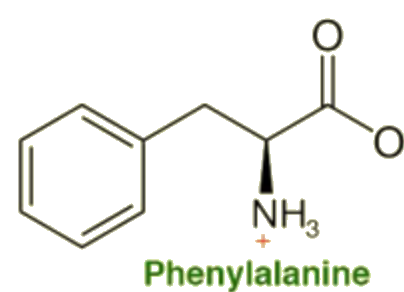
Neuropeptide Synthesis (Endorphins & Enkephalins)
Required Co-factors
- L-Phenylalanine, Leucine, Methionine
- Vitamin C & B-Complex
- Magnesium & Zinc
Clinical Impact & Benefits
- Synthesizes natural pain-relieving neuropeptides
- Restores emotional comfort & pleasure capacity
- Protects against heightened sensitivity
Enzymatic Protection via D-Phenylalanine (DPA)
Required Co-factors
- D-Phenylalanine (in DLPA)
- Vitamin C
- Amino Acid Co-factors
Clinical Impact & Benefits
- Inhibits enkephalinase enzymes that destroy endorphins
- Extends active lifespan of natural endorphins
- Reduces emotional tearing & comfort cravings
Clinical Utility of DLPA Therapy
- Dual Action: L-Phenylalanine builds catecholamines (energy), while D-Phenylalanine blocks endorphin breakdown.
- Outcome: Fosters sustained emotional warmth, comfort, and relief from emotional exhaustion.
How Amino Acid Therapy Works in Our Practice
When you choose to explore Amino Acid Therapy at our practice, your care is individualized, collaborative, and grounded in clinical evidence.
- Comprehensive Symptom Assessment: Rather than relying solely on routine blood tests or unreliable urinary neurotransmitter panels, we utilize standardized symptom inventories—such as the Amino Acid Therapy Chart developed by Julia Ross and Dr. Charles Gant—to rate your specific deficiency symptoms on a 0–10 scale.
- Targeted In-Office or Guided Trials: Because free-form amino acids work so rapidly, we perform targeted “trials.” By dissolving or chewing a small dose of a single amino acid (e.g., L-Tryptophan for anxiety or L-Tyrosine for fatigue) on an empty stomach, patients frequently experience a noticeable reduction in symptom severity within 15 to 20 minutes.
- Personalized Dosing & Co-factor Support: We always adhere to the principle of “start low and build slowly.” We combine your amino acid protocol with essential vitamin and mineral co-factors (taken with meals) to ensure optimal biochemical conversion.
- Temporary, Restorative Therapy: Unlike many conventional medications that must be taken indefinitely, amino acid supplements are typically used to rebuild depleted nutrient reservoirs. Many patients require supplementation for only 4 to 6 months, after which doses are gradually weaned down as stable brain function is maintained through a nutrient-dense diet.
Safety, Precautions, and Clinical Guidance
While amino acids are natural dietary nutrients, individual amino acid therapy is a potent therapeutic modality that requires professional supervision.
- Medical Contraindications: Certain amino acids must be avoided or used with specialized caution if you have specific medical conditions. For example, L-Tyrosine and L-Phenylalanine should not be used by individuals with melanoma, Graves’ disease (hyperthyroidism), phenylketonuria (PKU), active manic episodes, or uncontrolled high blood pressure.
- Medication Interactions: If you are currently taking prescription psychiatric medications—such as SSRIs, SNRIs, MAOIs, or stimulant medications—it is crucial not to self-prescribe amino acids. Precursors like 5-HTP or L-Tryptophan must be carefully coordinated with serotonergic medications under medical supervision.
- Individual Sensitivity: A small percentage of individuals are highly sensitive to supplements. If any uncomfortable symptoms arise (such as headaches, lightheadedness, or stomach upset), supplementation is stopped immediately, and gentle antidotes (such as Vitamin C) or lower micro-doses are utilized.
- Special Populations: Individuals who are pregnant, nursing, or managing complex medical illnesses should always consult our clinical team prior to starting individual amino acid supplements.
Restoring Balance and Hope
Depleted neurotransmitters can make everyday life feel overwhelming, but these chemical shortfalls are neither permanent nor unfixable. By identifying your unique biochemical needs and supplying your brain with the raw materials it has been missing, Amino Acid Therapy can help restore your natural energy, calm, sleep, and emotional balance.
If you are interested in learning whether Amino Acid Therapy is right for your mental health journey, please reach out to our office to schedule an initial evaluation.
References & Further Reading
- Blum, K. (1991). Alcohol and the Addictive Brain. New York: The Free Press.
- Gant, C. E. (2000). Functional Medicine: The Missing Link in Addictionology. Journal of Addictions Nursing, 12(3/4), 115–126.
- Gant, C. E. (2002). End Your Addiction Now. New York: Warner Books.
- Gelenberg, A. J., & Gibson, C. J. (1984). Tyrosine for the treatment of depression. Nutrition and Health, 3(3), 163–173.
- Mathews-Larson, J. (1997). Seven Weeks to Sobriety: The Proven Program to Fight Alcoholism Through Nutrition. New York: Fawcett Columbine.
- Monograph. (2007). L-Tyrosine. Alternative Medicine Review, 12(4), 364–368.
- Ross, J. (2002/2004). The Mood Cure: The 4-Step Program to Take Charge of Your Emotions Now. New York: Penguin Books.
- Ross, J. (2006). Urinary Neurotransmitter Testing: Problems and Alternatives. The Townsend Letter, October 2006, 1–5.
- Ross, J. (2017). The Craving Cure. New York: Flatiron Books.
- Veselak, C. (2021). The Third Leg of the Stool: Nutritional Support for the Addicted Brain. Academy for Addiction and Mental Health Nutrition.